There's a particular kind of stress that comes with watching the temperature gauge climb while you're stuck in stop-and-go traffic on a hot afternoon. On an F-150, summer commuting is exactly when a marginal cooling system gets exposed. The truck might run fine on the open highway and then heat up the moment you're crawling in traffic with the AC blasting. That pattern tells you something specific, and it's worth understanding before it costs you an engine.
Why Traffic and Heat Are the Test
Going down the highway, air flows through the radiator on its own and helps carry heat away. In stop-and-go traffic, that airflow stops, and the truck leans entirely on its cooling fan to move air across the radiator. Add a hot day and a running AC, which dumps more heat into the same system, and any weak part shows itself. A cooling system that's just barely coping in spring can tip over into overheating once summer commuting stacks the load.
What Tends to Fail
On an F-150, a summer overheat usually traces to one of these:
- A failing cooling fan or fan clutch that can't move enough air at idle
- Low coolant from a leak at a hose, the water pump, or the radiator
- A water pump with a worn impeller or bearing losing flow
- A thermostat stuck partly closed, trapping coolant in the block
- A radiator clogged with debris or scaled up inside, choking flow
- On the EcoBoost, coolant intrusion that burns coolant off with no puddle
The fan side is the one that lines up with the traffic pattern. If the truck stays cool moving and heats up sitting still, a fan or fan clutch problem is high on the list, because that's exactly when the fan is doing all the work.
The Warning Signs
The F-150 gives you signals before it boils over. Watch for a gauge that climbs above its normal spot and keeps going, a sweet coolant smell through the vents, weak heat or hot air from the AC, or steam from under the hood, which means stop right now. A level that keeps dropping with no puddle points to the EcoBoost coolant intrusion problem, where it's burning off inside the engine.
How We Handle It
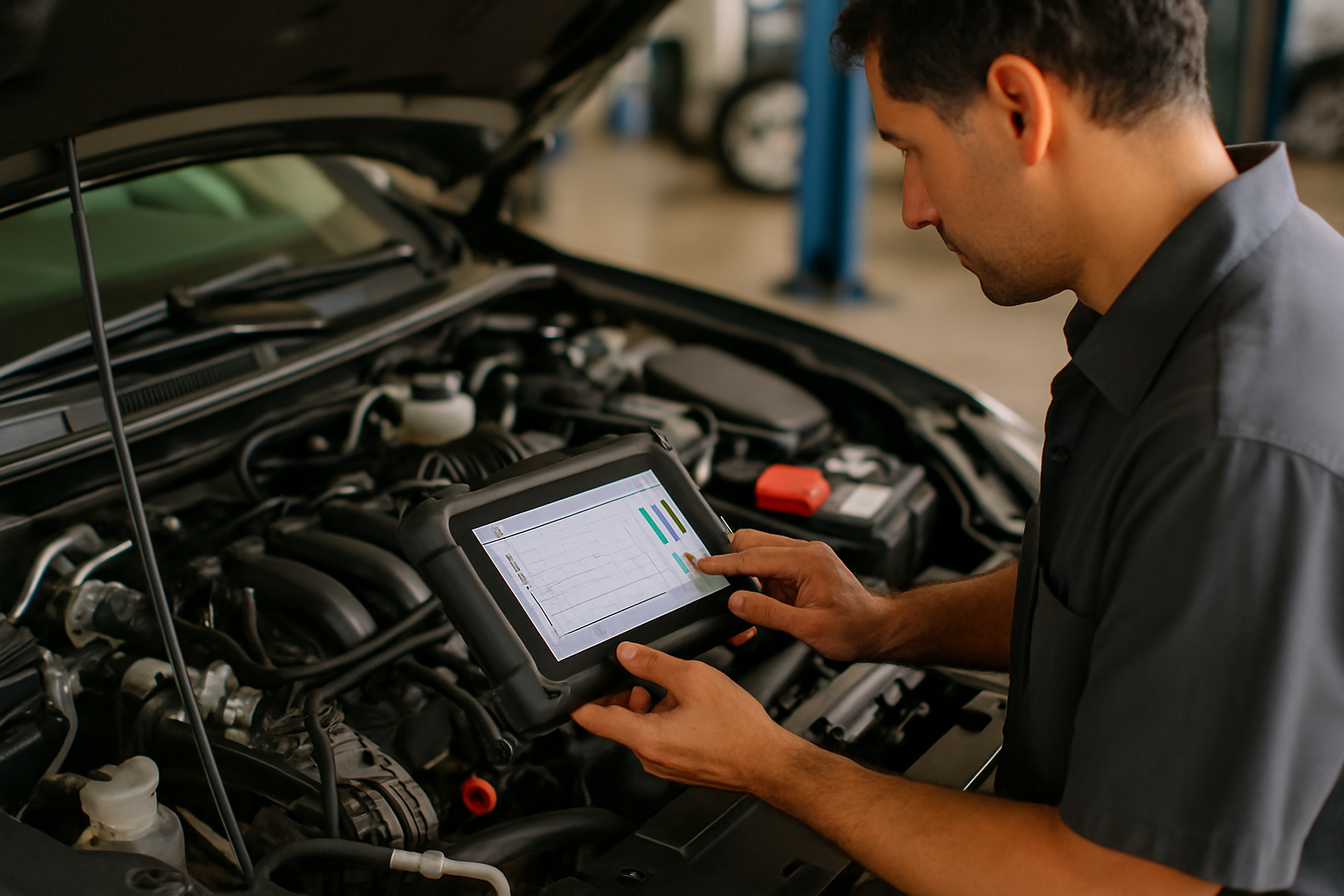
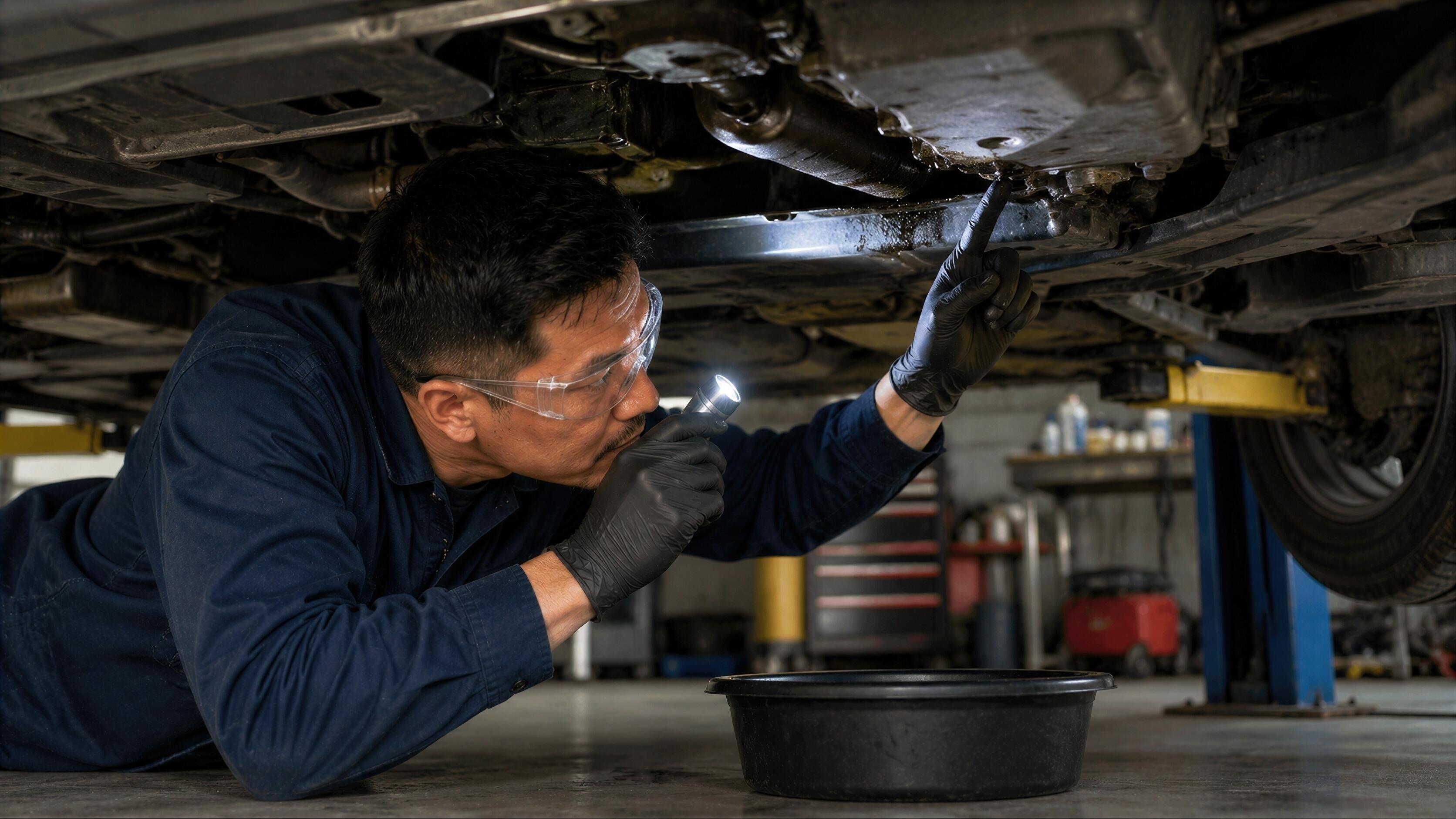
When an F-150 comes in running hot, we pressure-test the cooling system to find leaks you can't see idling, then check the fan and fan clutch operation, the water pump for play, the thermostat, and the coolant condition. On an EcoBoost, we look for signs of coolant going where it shouldn't. That tells us whether you're looking at a fan, a hose, and a cap, or something deeper. Then you get the real cause before any work starts.
Beat the Heat Before It Beats the Engine
A summer overheat only gets worse, and the stakes climb fast on a truck you tow with. Bring your F-150 to Driven Auto Care of Campbell and we'll pressure-test the system and find why it's running hot. Call to set up a cooling system diagnostic.