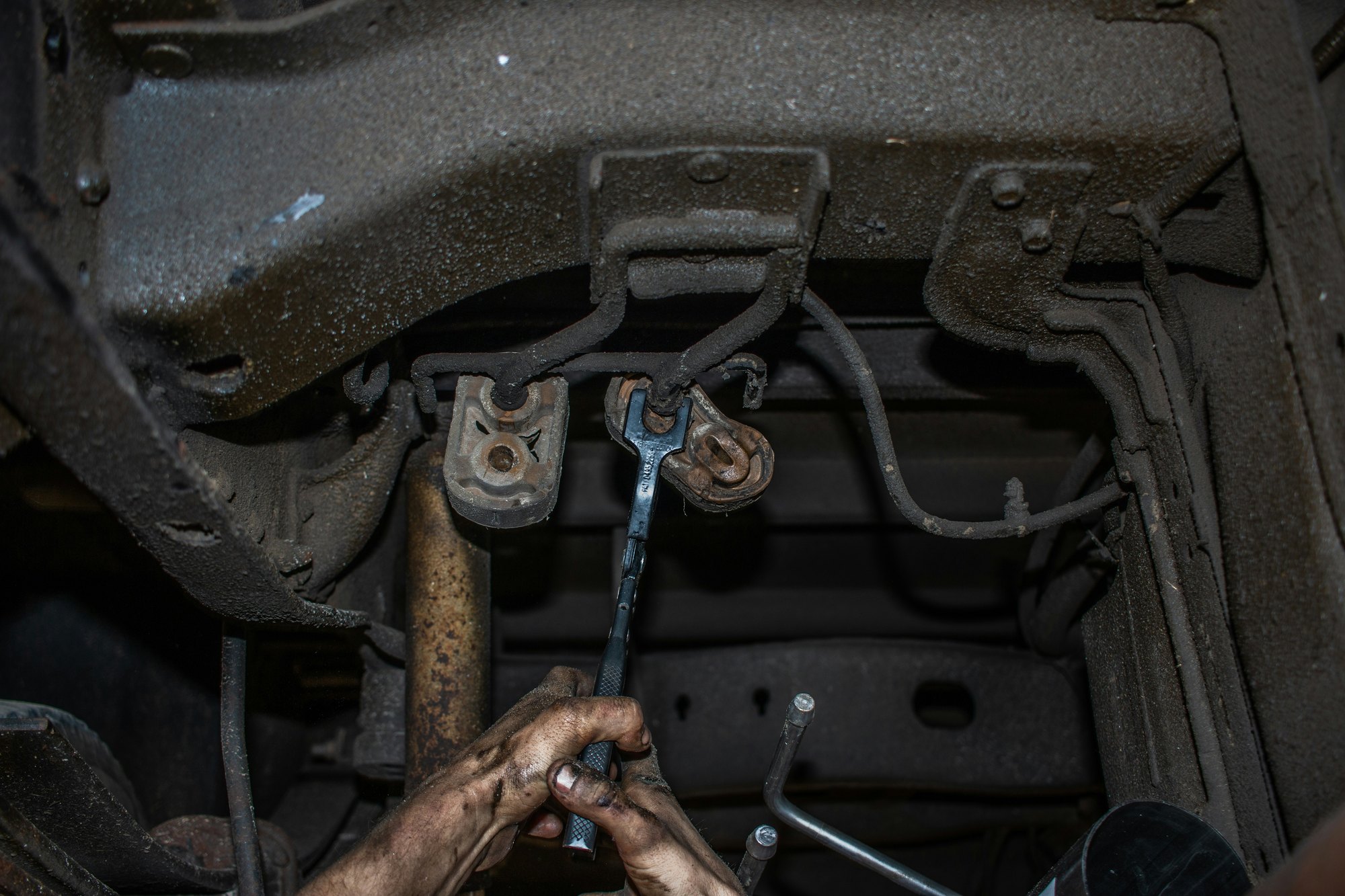
A 2018 Nissan Maxima with heavy steering, fluid loss, or a loose feeling through the wheel may have a steering rack problem. Still, these symptoms do not confirm the rack has failed. A leaking hose, malfunctioning power steering pump, or worn steering linkage can feel similar.
At Driven Auto Care of Fremont, CA, we inspect steering concerns for Sunol drivers at our Fremont location. We check hydraulic assist and mechanical components before recommending rack repair or replacement.
The Maxima Uses Hydro-Electric Power Steering
Unlike vehicles with fully electric steering racks, the 2018 Maxima uses hydro-electric power-assisted steering. An electrically driven hydraulic pump supplies assistance through a rack-and-pinion steering assembly.
This distinction matters when diagnosing leaks or heavy steering. The rack, pump, hoses, reservoir, and electrical controls all deserve attention. Replacing the rack will not correct a pump or electrical fault.
Leaking Fluid May Come From the Rack
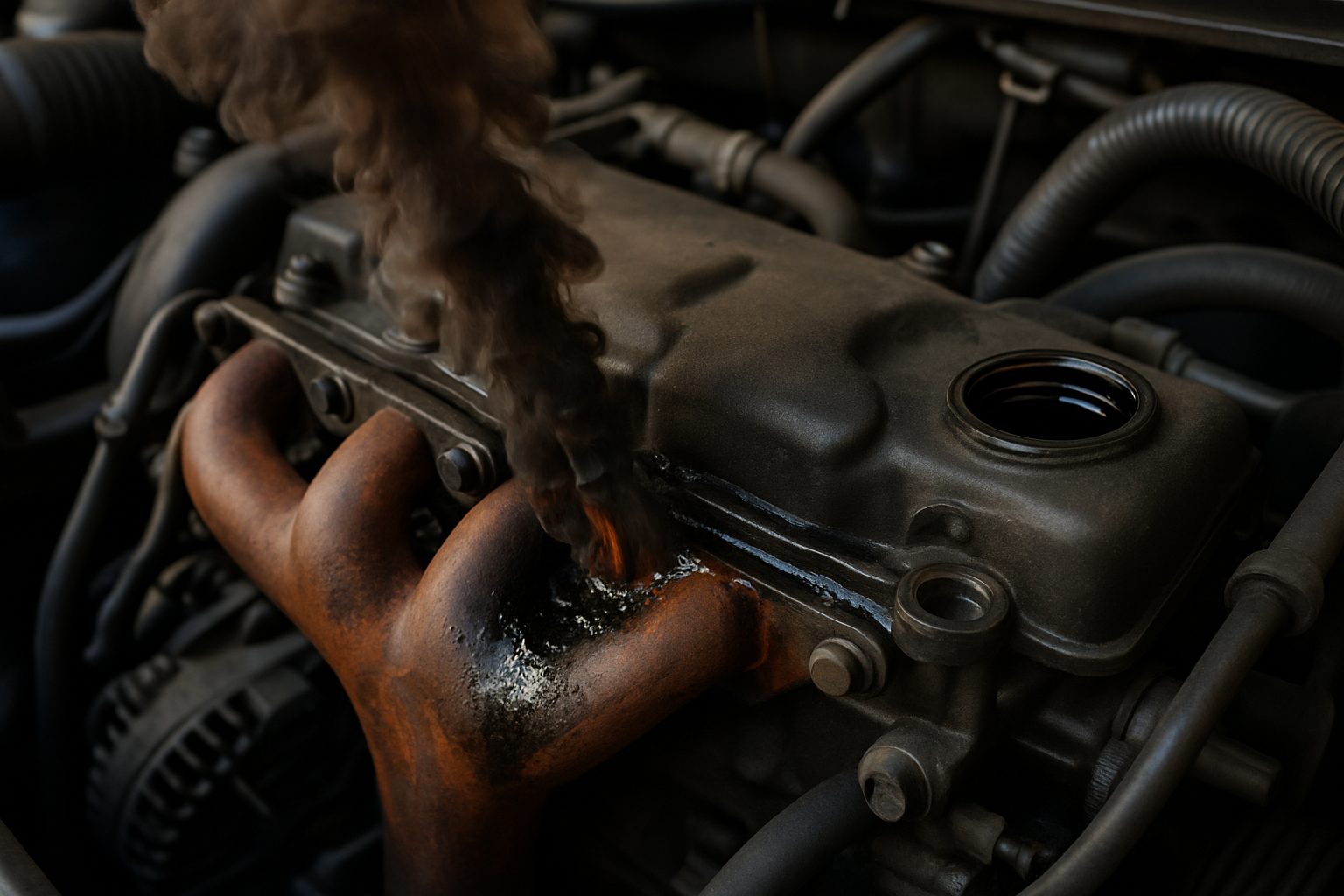
Worn internal rack seals may allow power steering fluid to escape. You may notice fluid around a rack boot, wet steering components, or a reservoir level repeatedly dropping.
However, pressure hoses, return lines, and fittings can also leak. We trace the source and inspect the protective rack boots rather than assuming every wet area means the rack needs replacement.
Nissan specifies Genuine Nissan E-PSF or equivalent for this system. Using the wrong fluid may affect power steering operation.
Stiff Steering Does Not Always Mean Rack Failure
If the wheel suddenly feels heavier while parking, the problem may involve reduced hydraulic assistance rather than a damaged rack.
The 2018 Maxima owner's manual explains repeated steering at low speeds can temporarily reduce assistance to protect the system from overheating. Assistance should return after the system cools. Persistent heavy steering or a warning light requires inspection.
We check fluid levels, assess assist operation, identify electrical faults, and address mechanical binding to determine which part is responsible.
Clunks and Loose Steering Need a Separate Check
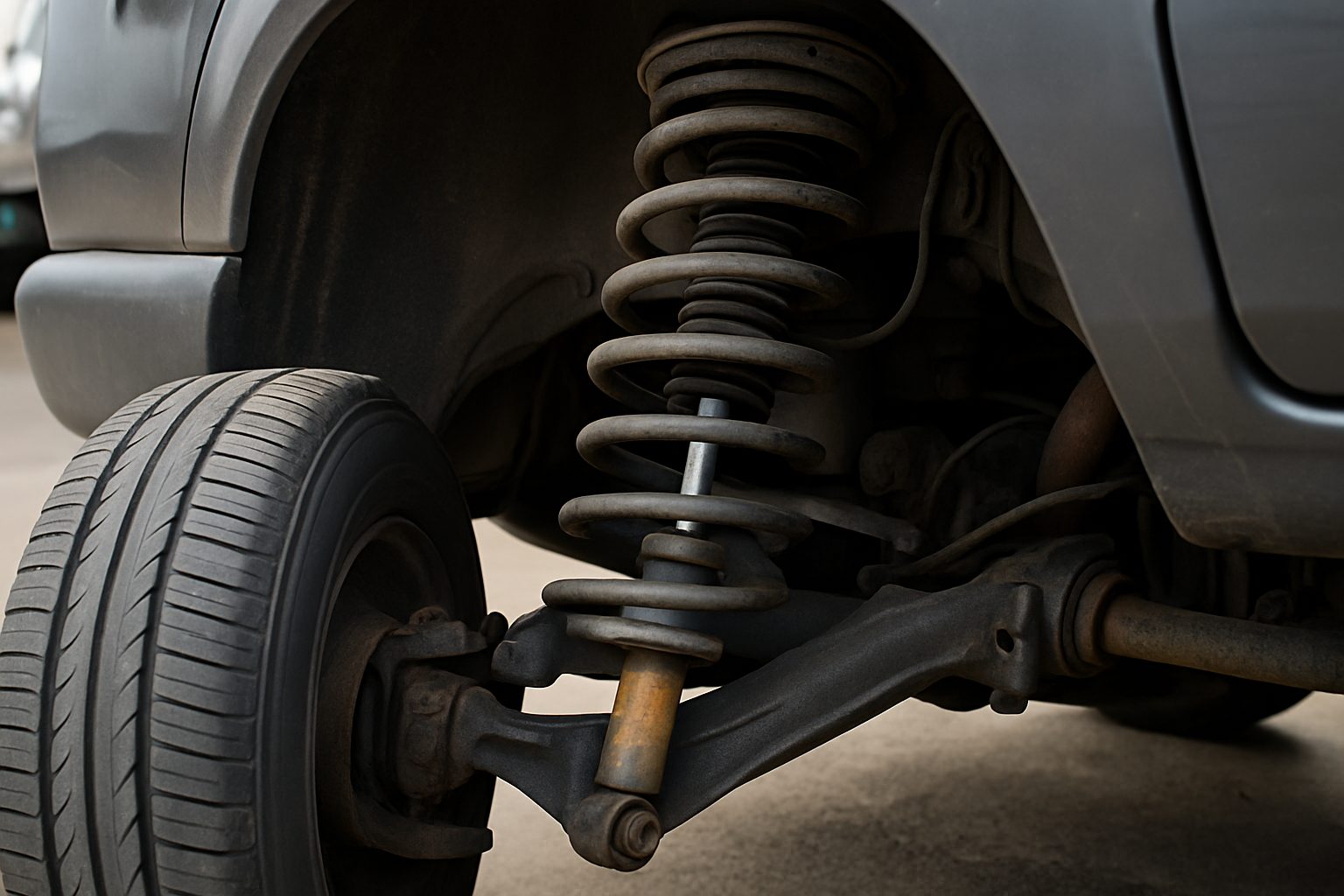
A worn rack may cause excessive play or knocking, but loose inner or outer tie rods, suspension joints, and mounting hardware may also cause similar complaints.
We examine the steering linkage while checking for movement, worn boots, and damaged parts. A wheel alignment alone will not correct mechanical looseness.
Harsh curb strikes or potholes can also expose weaknesses in steering joints and mounts. We ask when the symptom began, whether it changes with speed, and whether the car recently had tire or suspension work. Those details help us target the inspection.
A Warning Light Raises the Priority
Nissan warns that the power steering warning light may indicate a loss of assistance when the engine is running. The vehicle may remain steerable, but greater effort will be required, particularly during slow turns.
If steering becomes unexpectedly difficult, pull over safely and arrange professional evaluation. Do not continue driving if the vehicle feels unsafe to control.
Repair the Confirmed Problem, Not the Symptom
When testing confirms internal rack leakage, mechanical binding, or excessive rack wear, rack replacement may be appropriate. If a hose, pump, or tie rod is responsible, replacing the rack would be unnecessary.
After steering component replacement, we inspect connections, verify proper operation, and check whether wheel alignment is required.
Schedule Maxima Steering Service Near Sunol
Driven Auto Care of Fremont, CA offers steering rack replacement, power steering pump service, tie rod replacement, and suspension diagnosis. Our Fremont shop serves Sunol and surrounding East Bay communities.
If your 2018 Nissan Maxima leaks steering fluid, feels unusually heavy, or responds loosely to steering input, schedule an inspection. We will explain the findings and recommend the repair the evidence supports.